

Tide Flap Valve – Top 10 Solutions to Protect Against the Impact of Tidal Flooding
Overview of the Tidal Control Flip Gate Valve
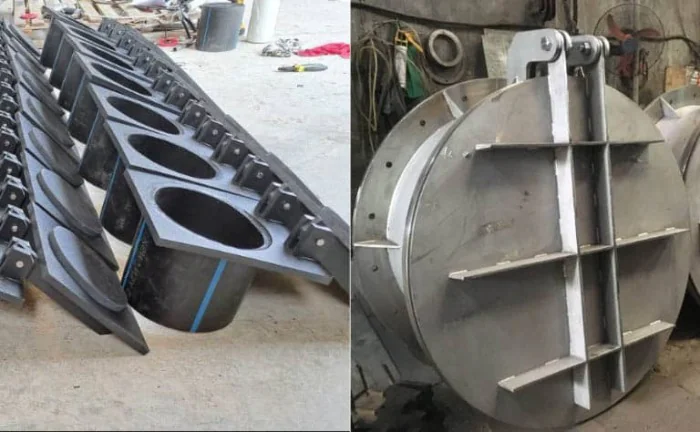
In the context of climate change putting pressure on riverbank and coastal areas, it is increasingly necessary to control water flow effectively. The Tidal Control Flip Gate Valve is the optimal solution to prevent flooding or saltwater intrusion while maintaining drainage when the tide recedes. In this article, we will explore the basic concepts, importance, and common types of this product today.
Concept and Function of the Tidal Control Flip Gate Valve
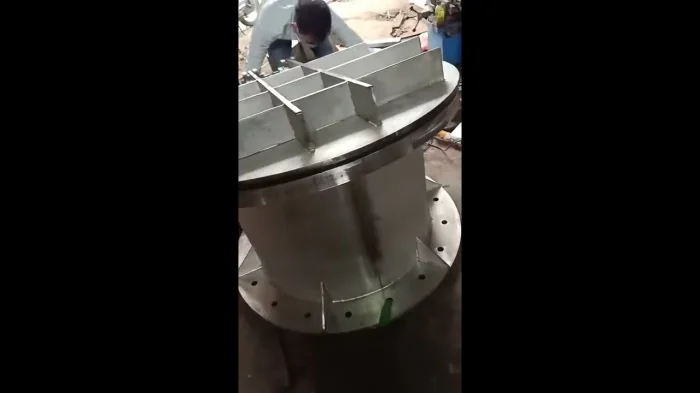
The Tidal Control Flip Gate Valve is a specially designed valve used to regulate the flow of water in the desired direction, typically installed at drainage culverts, levees, or irrigation systems along rivers and coastal areas. When the tide rises, the valve closes to prevent saltwater or tidal waters from entering and causing damage to land, buildings, or affecting agricultural production. Conversely, when the tide recedes, the valve opens, allowing the water to drain easily and reducing stagnation and flooding.
The main functions of the Tidal Control Flip Gate Valve include:
- Preventing the intrusion of tidal and salty water into inland or low-lying areas.
- Regulating water flow according to different times of the day or seasons.
- Protecting irrigation systems, levees, and residential areas from the impact of strong tidal waters.
- Contributing to maintaining ecological balance and the natural environment along coastal areas.
Additionally, the Tidal Control Flip Gate Valve can integrate automatic control technologies, allowing for easier, more precise, and optimized operation in water management. Thanks to this versatility, the product is becoming increasingly popular and widely used in large and small projects.
The Importance of Flip Gate Valves in Drainage Systems
In river and coastal drainage systems, controlling water flow is crucial to effectively preventing natural disasters and protecting communities. Tidal movements that fluctuate daily and seasonally can lead to severe flooding or saltwater intrusion if not properly controlled. In this context, the Tidal Control Flip Gate Valve plays a central role in regulating flow and minimizing the damage caused by tidal waters.
These systems help:
- Prevent tidal flooding in residential areas, especially in riverside and coastal cities.
- Protect freshwater sources from salinity, preserving ecological resources and serving agricultural and residential needs.
- Minimize the impact of storms and floods, bringing peace of mind to residents and authorities.
- Enhance control capabilities, allowing for proactive management and operation of the drainage system, thus reducing material and human damage in emergency situations.
Therefore, the Tidal Control Flip Gate Valve is not just a technical device but also a key factor in the sustainable development and climate change adaptation strategy of coastal areas.
Common Types of Tidal Control Flip Gate Valves
Today, the market offers various types of Tidal Control Flip Gate Valves that are suitable for different project purposes and conditions, including:
- Manual Flip Valves: Traditional type, operated manually with a wheel or crank.
- Automatic Flip Valves: Equipped with sensors or electronic control units, operating automatically based on signals from monitoring systems.
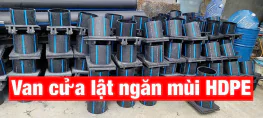
- Composite Flip Valves: A new type made from lightweight, highly corrosion-resistant composite materials, suitable for harsh environments.
- Steel or Cast Iron Flip Valves: Designed for high load-bearing capacity, suitable for large culverts and seawalls.
Each type of valve has its own advantages and limitations, depending on the installation location, technical requirements, budget, and usage goals. Understanding these options helps managers and engineers make the right choice, optimizing operational efficiency and reducing risks.
Working Principle of the Tidal Control Flip Gate Valve
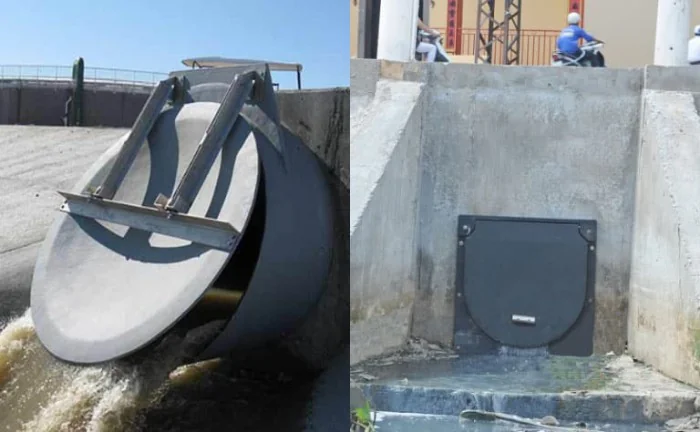
Understanding the working principle of the Tidal Control Flip Gate Valve is fundamental for effective application and proper maintenance. This product operates based on mechanical or automatic mechanisms, using hydraulic or electronic control systems to adjust the flow in line with the tidal cycle. Before delving into the components, we will analyze the operating process when water levels and tides change.
Main Components of the Flip Gate Valve
The structure of the Tidal Control Flip Gate Valve is simple but highly durable, consisting of the following main components:
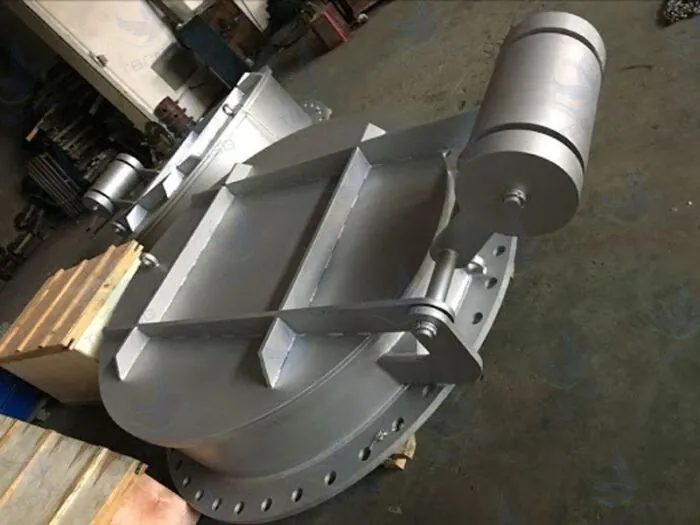
- Valve Gate (Flap): The main part of the valve that can be raised or lowered to open or close, attached to a rotating shaft.
- Rotating Shaft: Used to adjust the opening angle of the valve gate, can be operated manually or automatically.
- Material: Typically made from cast iron, steel, or composite, with excellent corrosion resistance in salty water environments.
- Drive Mechanism (for automatic types): Hydraulic, electronic, or pneumatic sensors control the rotation of the shaft.
- Frame, Valve Body: The fixed, sturdy structural system that can bear heavy loads and withstand harsh weather conditions.
The function of these components is to work in harmony to ensure the valve operates smoothly and accurately according to requirements. The materials used must ensure wear resistance, oxidation resistance, low maintenance, and high durability.
Operating Process When the Tide Rises
When the tide starts rising, the Tidal Control Flip Gate Valve will perform the closing process to prevent seawater or saltwater from flooding inland. This process can be either automatic or manual, depending on the installed control system.
- First, the sensors or monitoring system will detect when the water level reaches the predetermined threshold.
- The control unit will send a signal to operate the rotating shaft, folding or raising the valve gate to the closed position.
- When the valve closes, the tidal flow will be blocked, preventing it from entering inland areas.
- When the tide recedes, the sensors detect the drop in water levels, and the system will automatically open the valve to drain water, reducing flooding or water accumulation in low-lying areas.
This process operates continuously according to the tidal cycle, ensuring optimal flow control. Furthermore, automated systems can integrate alarms or warnings in case of faults, improving safety and precision in operation.
Technical Features to Note During Installation
Installing the Tidal Control Flip Gate Valve requires strict adherence to technical standards to ensure long-term operational efficiency. Some key technical features to consider include:
- Size and capacity should be suitable for the drainage system or culvert scale.
- Materials must be corrosion-resistant and suitable for salty water environments, tropical climates.
- Automatic or manual operation should be compatible with the management unit's capabilities.
- Valve sealing performance and leak prevention should be ensured to prevent water loss.
- The valve must withstand external forces such as waves, strong winds, or waterborne vehicles.
- Drive systems and sensors need to be installed correctly to ensure smooth operation, preventing jamming or technical issues.
Choosing the right technical features will help ensure stable system operation, save maintenance costs in the long run, and increase the valve’s lifespan.
Benefits of Using the Tidal Control Flip Gate Valve
In river and coastal irrigation system development projects, the Tidal Control Flip Gate Valve plays an indispensable role in providing many outstanding benefits. It helps control water flow, minimize damage caused by natural disasters, and promotes economic development and environmental protection.
Protecting River and Coastal Areas from Flooding
River and coastal areas are frequently at risk of flooding due to rising tides, especially during the rainy and storm seasons. Installing the Tidal Control Flip Gate Valve helps control the water flow, minimizing the amount of tidal water entering inland areas, thus reducing property, land, and living impacts.
- Helps maintain dry conditions in residential and industrial areas.
- Reduces land erosion and preserves valuable land resources.
- Contributes to maintaining natural ecosystems and protecting native species of coastal areas.
- Increases control capacity for authorities, reducing the risks of sudden natural disasters.
Additionally, controlling the tide also supports agricultural activities, aquaculture, improving productivity and worker safety.
Saving Maintenance and Repair Costs
Efficient use of the Tidal Control Flip Gate Valve helps minimize material damage and reduce the cost of dealing with consequences. When the water flow control system operates correctly, the risk of flooding, damage to infrastructure, or land is minimized.
- Minimizes repair costs for levee structures and drainage culverts.
- Reduces rescue and evacuation costs during tidal surges.
- Increases the lifespan of irrigation systems by minimizing exposure to harsh conditions.
- Optimizes operational processes, reducing time, manpower, and manual operation costs.
This contributes to improving the competitiveness of projects and allows investors and local authorities to save significantly on long-term budgets.
Positive Impact on the Living Environment
Controlling tidal surges using the Tidal Control Flip Gate Valve also brings great benefits to the natural environment and local ecology. By adjusting the flow, river and coastal ecosystems will be more stable, avoiding negative impacts from strong currents or saltwater intrusion.
- Preserves biodiversity and protects rare aquatic species.
- Restores wetland areas, creating conditions for the growth of aquatic plants.
- Reduces pollution caused by wastewater or debris entering inland areas.
- Contributes to maintaining ecological balance and mitigating climate change impacts.
This way, communities can enjoy a cleaner environment and sustainable development while minimizing the impact of both natural and human-made changes.
Pricing and Factors Affecting the Price of Tidal Control Flip Gate Valves
When investing in a project, selecting the right price for the Tidal Control Flip Gate Valve is a top priority. The price depends not only on size, material, and manufacturing technology but also on other factors such as the supplier, after-sales services, and the technical requirements of the project.
Market Segments and Average Price Levels
The market for Tidal Control Flip Gate Valves is generally divided into segments based on quality, brand, and technical features, specifically:
- High-end segment: The price is usually higher due to premium materials, advanced automation technology, and high durability, suitable for large-scale, high-demand projects.
- Mid-range segment: Reasonably priced, suitable for medium and small projects, offering good quality and durability.
- Economy segment: Lower priced, mainly for small, temporary projects with no high technical requirements.
Typically, the average price of a Tidal Control Flip Gate Valve ranges from tens of millions to hundreds of millions VND, depending on the size and technical features.
Factors Affecting Product Pricing
Several factors determine the price of the Tidal Control Flip Gate Valve, including:
- Size and load-bearing capacity of the valve.
- Material type: steel, cast iron, composite, or premium alloys.
- Automated or semi-automated technology, integration of sensors, electronic control units.
- Brand origin, reputation of the manufacturer.
- Technical standards, safety certifications, fire safety certifications.
- Transportation, installation, and future maintenance costs.
Understanding these factors will help customers and contractors make an informed decision and optimize investment budgets.
Price Comparison Between Different Suppliers
Here is a comparison table of average prices for different valve types by suppliers:
| Supplier | Valve Type | Reference Price (Million VND) | Notable Features |
|---|---|---|---|
| Company A | Automatic salt-resistant steel valve | 200 - 350 | High quality, electronic integration, high durability |
| Company B | Compact composite valve | 80 - 150 | Lightweight, easy to install, suitable for small projects |
| Company C | Traditional cast iron valve | 50 - 100 | Low cost, suitable for budget-limited projects |
| International Brand | High-end automatic valve | 400+ | Advanced technology, superior durability |
This table allows buyers to consider their budget and technical requirements, helping them select the most suitable product.
Advice When Choosing and Installing Tidal Control Flip Gate Valves
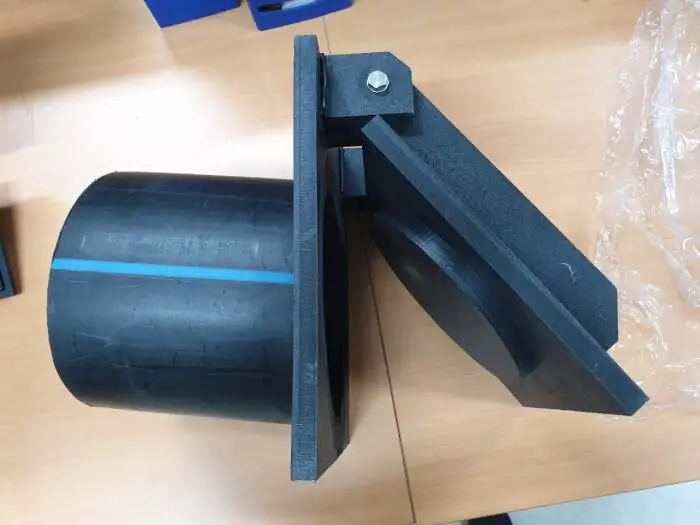
Choosing the right Tidal Control Flip Gate Valve not only ensures good system performance but also extends its lifespan and saves maintenance costs in the future. Here are the key criteria and guidelines for customers and contractors to consider.
Key Criteria for Choosing the Right Flip Gate Valve
- Suitable for the scale and technical requirements of the project.
- Corrosion-resistant material suitable for salty water environments.
- Automatic or semi-automatic features, easy to operate and monitor.
- Good sealing, leak resistance, and strong load-bearing capacity.
- Reputable brand, clear quality certification, and warranty.
- Affordable cost, easy maintenance, and flexibility in operation.
Additionally, consider supplementary factors such as the integration of automatic control systems, international safety standards, fire protection, anti-corrosion, etc.
Installation and Maintenance Guidelines
Installing the Tidal Control Flip Gate Valve should be carried out by a professional technical team to ensure the correct technique and system safety. The main steps include:
- Prepare the installation site, check technical specifications of the valve and support system.
- Install the supporting frame, securely fix the valve to the foundation, culvert, or levee.
- Connect the drive system, sensors, and wiring, ensuring proper sealing and moisture isolation.
- Test the system before use to detect and fix any issues promptly.
- Establish a regular maintenance plan: cleaning, checking seals, inspecting drive components, and replacing parts when needed.
Proper maintenance will extend the lifespan of the Tidal Control Flip Gate Valve, ensuring the system operates smoothly and reducing the risk of sudden malfunctions.
After-Sales Support Services from Suppliers
Choosing a supplier with good after-sales service brings long-term benefits, including:
- Product warranty within the specified time frame.
- Regular maintenance service, quick repair when issues arise.
- Free technical advice on operation, installation, and maintenance.
- Updating new technologies, upgrading automatic systems.
- Training staff and local technicians to ensure optimal operation.
Long-term cooperation with a trusted supplier ensures smooth project operation and achieves the highest efficiency.
Conclusion
Tidal Control Flip Gate Valves are strategic solutions in controlling tidal water, helping to protect river and coastal areas from flooding, saltwater intrusion, and promoting sustainable development. With flexible control capabilities, high durability, and modern automatic features, the product not only offers economic and environmental benefits but also improves the efficiency of irrigation system management. Choosing the right valve type based on technical requirements, budget, and project characteristics will help optimize investment efficiency, minimize operational and maintenance risks. Therefore, carefully consider factors such as supplier capabilities, cost, and after-sales service to ensure long-term success for your project.