Galvanized Grating Floor
Hoa Binh Galvanized Grating Floor vs. Composite Grating: Comparison of Advantages
Introduction
Galvanized grating floors and composite grating floors are two common types of flooring used in construction and industry today. Both have their own advantages and limitations, depending on the intended use and specific requirements of each project. This article will compare Hoa Binh galvanized grating floors with composite grating floors to help readers understand both types of flooring and make an informed decision for their projects.
I. Hoa Binh Galvanized Grating Floor
1.1 Definition and Structure
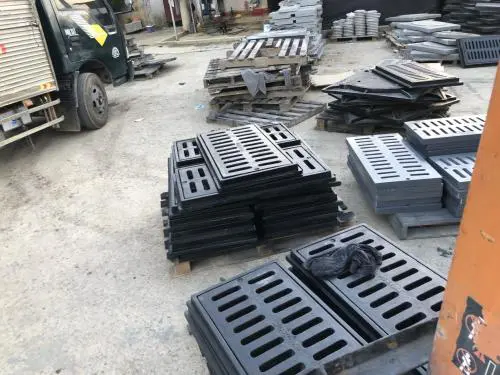
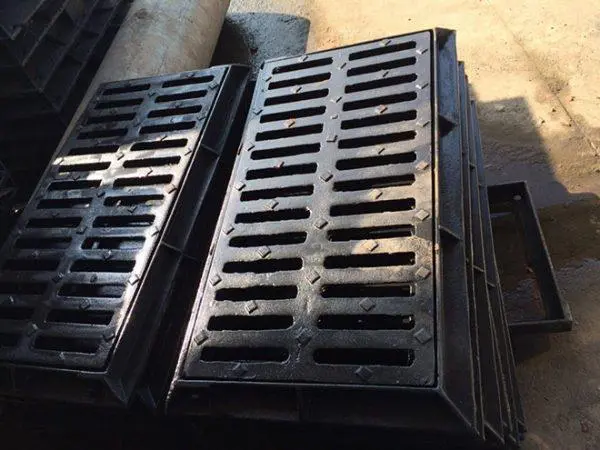
Galvanized grating floors are made from steel bars arranged horizontally and vertically, connected together by welding or pressing to form a sturdy grid floor. After being shaped, the grating floor is galvanized to enhance its durability and corrosion resistance.
1.2 Advantages of Hoa Binh Galvanized Grating Floor
1.2.1 High Durability
Galvanized grating floors are highly durable due to the steel material and the galvanized coating. Steel is a material with strong load-bearing capacity, allowing the grating floor to withstand heavy loads without deforming. The galvanized coating helps protect the floor from environmental factors such as moisture, chemicals, and other corrosive elements.
1.2.2 Good Load-Bearing Capacity
With its grid structure, galvanized grating floors can evenly distribute the load across the entire surface, enhancing its load-bearing capacity. This makes grating floors an ideal choice for areas requiring high load-bearing capacity, such as factories, docks, and other industrial zones.
1.2.3 Easy Installation and Maintenance
Galvanized grating floors are designed for easy installation and dismantling. The grating panels can be cut and adjusted to meet the specific needs of each project. Moreover, maintaining the grating floors is relatively simple, requiring only periodic cleaning to remove dust and inspection of the welds to ensure safety.
1.2.4 Good Ventilation and Drainage
With its grid structure, galvanized grating floors allow air and water to circulate easily, helping reduce moisture and slipperiness on the surface. This is crucial in areas such as factories, emergency stairways, and industrial zones with high occupational safety risks.
1.3 Disadvantages of Hoa Binh Galvanized Grating Floor
1.3.1 High Initial Cost
While galvanized grating floors have many advantages, the initial cost for production and installation may be higher than some other types of flooring. This may require careful consideration for some projects before deciding to use them.
1.3.2 Heavy Weight
Steel is a heavy material, so galvanized grating floors are also quite heavy. This can make transportation and installation more difficult, especially in areas with challenging geographical conditions or limited space.
II. Composite Grating Floor
2.1 Definition and Structure
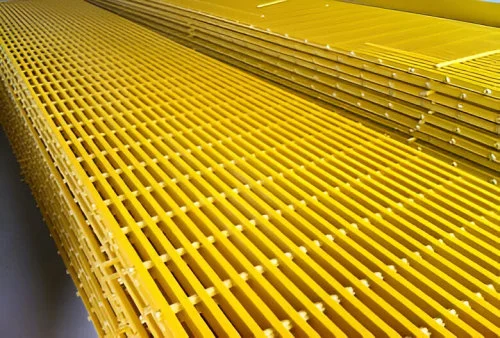
Composite grating floors are made from composite materials such as plastic and fiberglass or carbon fiber. These materials are combined to create a floor with superior properties like lightness, durability, and excellent corrosion resistance.
2.2 Advantages of Composite Grating Floor
2.2.1 Lightweight
One of the biggest advantages of composite grating floors is their much lighter weight compared to galvanized grating floors. This makes them easier to transport and install, reducing construction costs and time.
2.2.2 High Corrosion Resistance
Composite grating floors have superior corrosion resistance thanks to the synthetic materials that are unaffected by chemicals, seawater, and other harsh environmental factors. This makes composite grating floors ideal for coastal areas or environments with high humidity and chemical exposure.
2.2.3 High Durability and Long Lifespan
Despite their light weight, composite grating floors still offer high durability and long lifespan. The fiberglass or carbon fibers in the composition enhance their load-bearing capacity and impact resistance, ensuring that composite floors remain durable for many years.
2.2.4 Easy to Fabricate and Shape
Composite grating floors can be easily molded into various shapes and sizes according to the project’s requirements. This allows for complex designs and unique flooring solutions that fit specific projects.
2.3 Disadvantages of Composite Grating Floor
2.3.1 High Material Cost
Composite grating floors typically have higher material costs than galvanized grating floors. This is due to the complex production process and the use of premium materials. Therefore, the initial investment cost for composite grating floors can be higher.
2.3.2 Limited High-Temperature Resistance
Composite grating floors can be affected by high temperatures, leading to deformation or damage. This can limit their use in areas with high temperatures or where high thermal resistance is required.
III. Comparison of Hoa Binh Galvanized Grating and Composite Grating Floors
3.1 Durability and Load-Bearing Capacity
Both galvanized grating and composite grating floors have good durability and load-bearing capacity, but they are suitable for different conditions. Galvanized grating is ideal for heavy industrial areas requiring high load-bearing capacity, while composite grating is better suited for areas that require lightweight and corrosion resistance.
3.2 Corrosion Resistance
Composite grating floors have better corrosion resistance than galvanized grating floors, especially in environments with chemicals and high humidity. Galvanized grating floors also offer good corrosion resistance due to the galvanized coating but are not as effective as composite grating in highly corrosive environments.
3.3 Cost
Galvanized grating floors usually have a lower initial cost than composite grating floors. However, the maintenance cost for composite grating floors may be lower in the long run due to their corrosion resistance and high durability.
3.4 Weight and Installation
Composite grating floors are lighter and easier to install than galvanized grating floors. This helps reduce installation costs and time, especially in projects requiring frequent movement or difficult installation conditions.
3.5 Specific Applications
Galvanized grating floors are commonly used in heavy industrial areas, factories, docks, and locations requiring high load-bearing capacity. Composite grating floors are ideal for coastal projects, chemical environments, and projects that require lightweight and corrosion resistance.
Conclusion
Both Hoa Binh galvanized grating floors and composite grating floors have their own advantages and disadvantages, suitable for different usage needs and conditions. Hoa Binh galvanized grating floors are an ideal choice for heavy industrial areas and high load-bearing applications due to their durability and load-bearing capacity. Meanwhile, composite grating floors are perfect for harsh environments and lightweight applications due to their corrosion resistance and low weight.