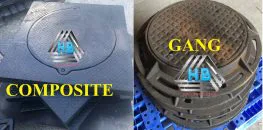


Composite grating floor for factory managers
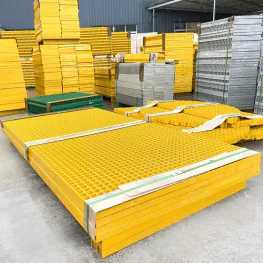
Nowadays, **composite grating floors** are becoming the top choice for factory managers, thanks to their outstanding advantages in durability, corrosion resistance, and application flexibility.
Previously, traditional materials like iron and steel were often limited by poor corrosion resistance, leading to high maintenance costs.
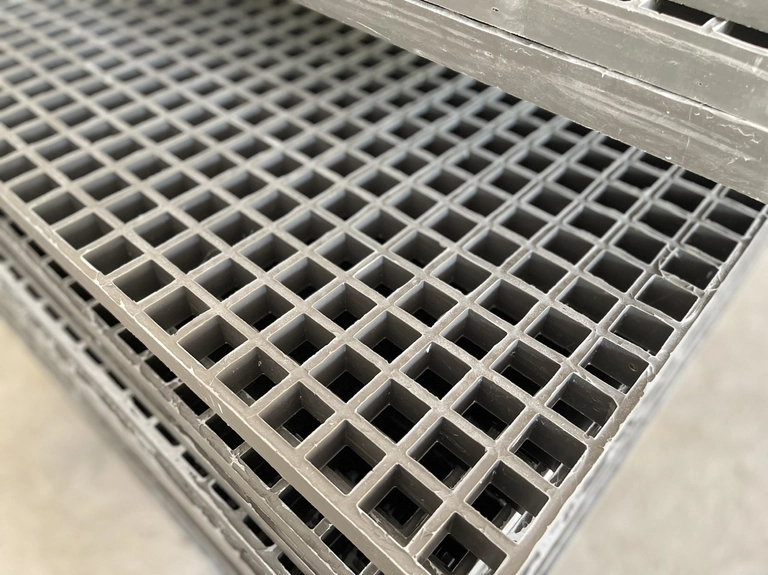
With the introduction of **composite grating floors**, factories have a more effective solution, helping to extend the lifespan of the structure and reduce operating costs.
Furthermore, this material helps optimize the production process, bringing significant economic and environmental benefits.
1. Superior Corrosion Resistance
The corrosion resistance of this material is one of the decisive factors making it favored by factories.
**Corrosion-resistant industrial flooring** is especially important for factories operating in highly corrosive environments, such as the chemical, oil and gas industries, or coastal areas.
Unlike traditional materials like iron and steel, **composite grating floors** are not affected by harsh environmental conditions.
2. High Durability and Load-Bearing Capacity
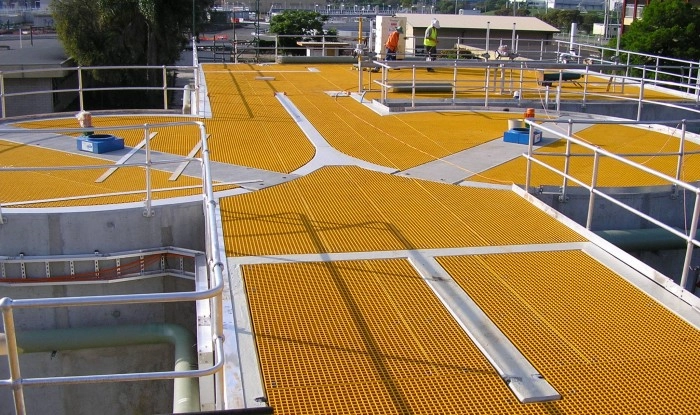
Furthermore, **composite grating floors** possess high durability and excellent **load-bearing capacity**. Despite being lighter than iron and steel, this type of flooring can withstand heavy loads without deformation.
This is why it has become a **sustainable factory flooring solution**, and **high-strength composite flooring** is an ideal choice for environments requiring high load-bearing capacity.
This not only helps ensure safety during use but also extends the product's lifespan, reducing maintenance and replacement costs.
3. Electrical Safety and UV Resistance Features
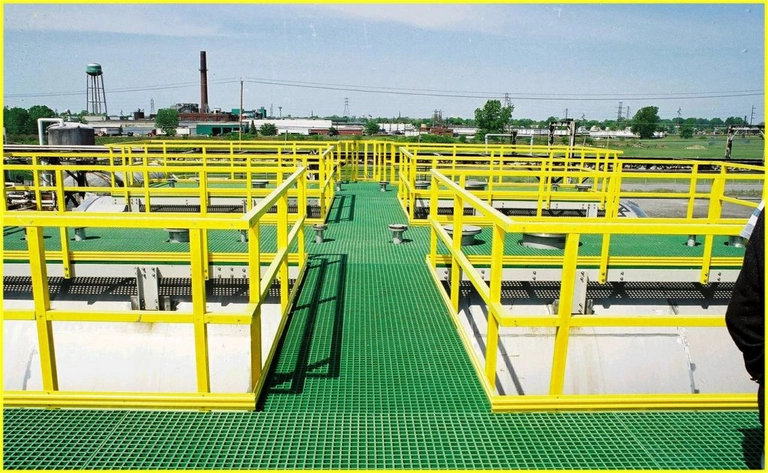
Another advantage of **composite grating floors** is their poor electrical conductivity and UV resistance.
For areas with high demands for electrical safety or exposure to sunlight, this is an ideal choice.
**UV-resistant grating floors** also have good thermal insulation properties, reducing the risk of fire and explosion in high-temperature factories, ensuring safety for production operations.
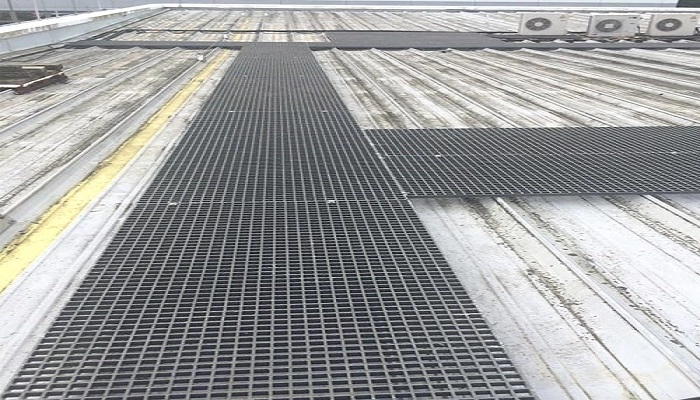
4. Economic Benefits of Using Composite Grating Floors
Beyond technical advantages, **composite grating floors** also bring numerous economic benefits to businesses.
4.1. Reduced Maintenance Costs
Firstly, using **composite grating floors** helps reduce maintenance and replacement costs.
With a long lifespan and excellent corrosion resistance, factories can save a large amount of costs on upkeep and repair, especially for large-scale factories with continuous operations.
This shows that this **cost-effective flooring material** is suitable not only for large projects but also for factories that require continuous operation.
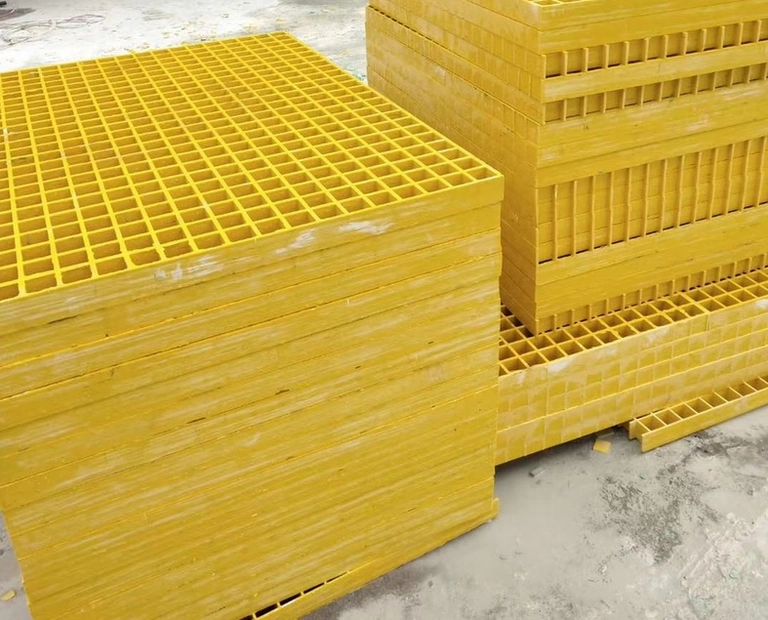
4.2. Reduced Structural Weight
Furthermore, **composite grating floors** also help reduce the structural weight of the building.
This leads to reduced load on the foundation system and columns of the factory, which not only saves construction costs but also enhances the stability and safety of the entire structure.
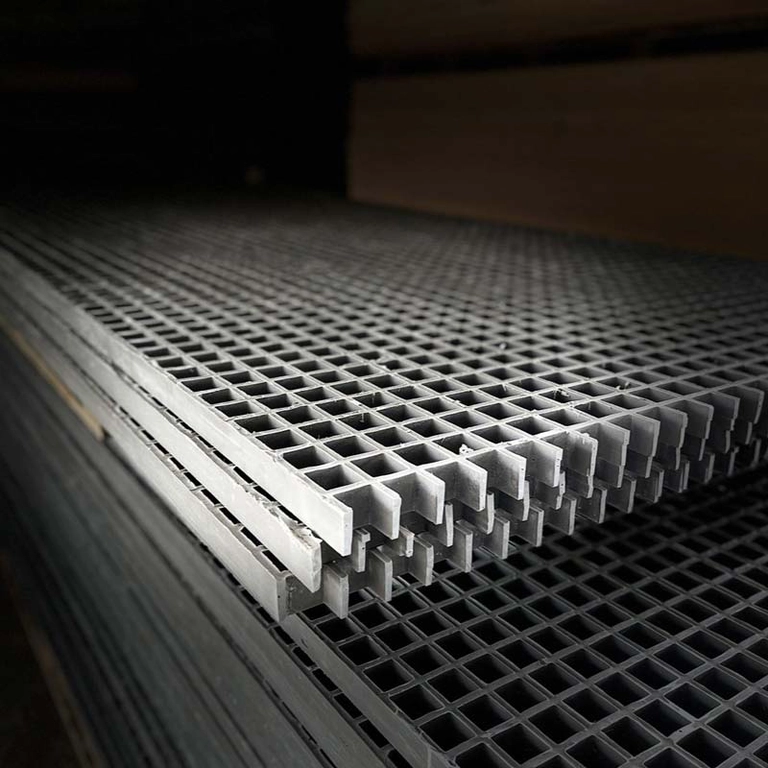
4.3. Environmental Benefits of Composite Grating Floors
From an environmental perspective, **composite grating floors** are highly valued for their sustainability and recyclability.
The use of this **corrosion-resistant industrial flooring** helps minimize industrial waste and reduces dependence on non-renewable resources.
This not only helps businesses fulfill their social responsibility but also creates an environmentally friendly image in the eyes of partners and customers.
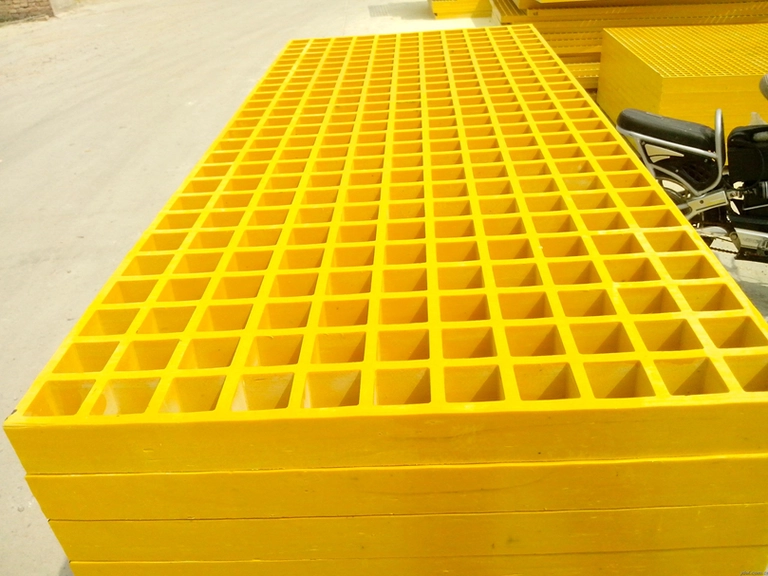
In the context of the increasingly developing industry, the demand for sustainable and economically efficient material solutions is growing higher.
**Composite grating floors** not only meet strict technical requirements but also bring numerous economic and environmental benefits.
This makes it a **sustainable factory flooring solution** for factory managers, especially in industries with high demands for durability and corrosion resistance.
Investing in **composite grating floors** is a smart and sustainable decision for businesses, helping them ensure continuous and efficient production operations in the long term.